

A car that will not start with a good battery has a fault in one of three places. The starting circuit, the fuel and ignition side, or the immobiliser and the key. What the car does when you turn the key tells you which one. That is where auto electrical work in Colac starts, rather than with a new part.
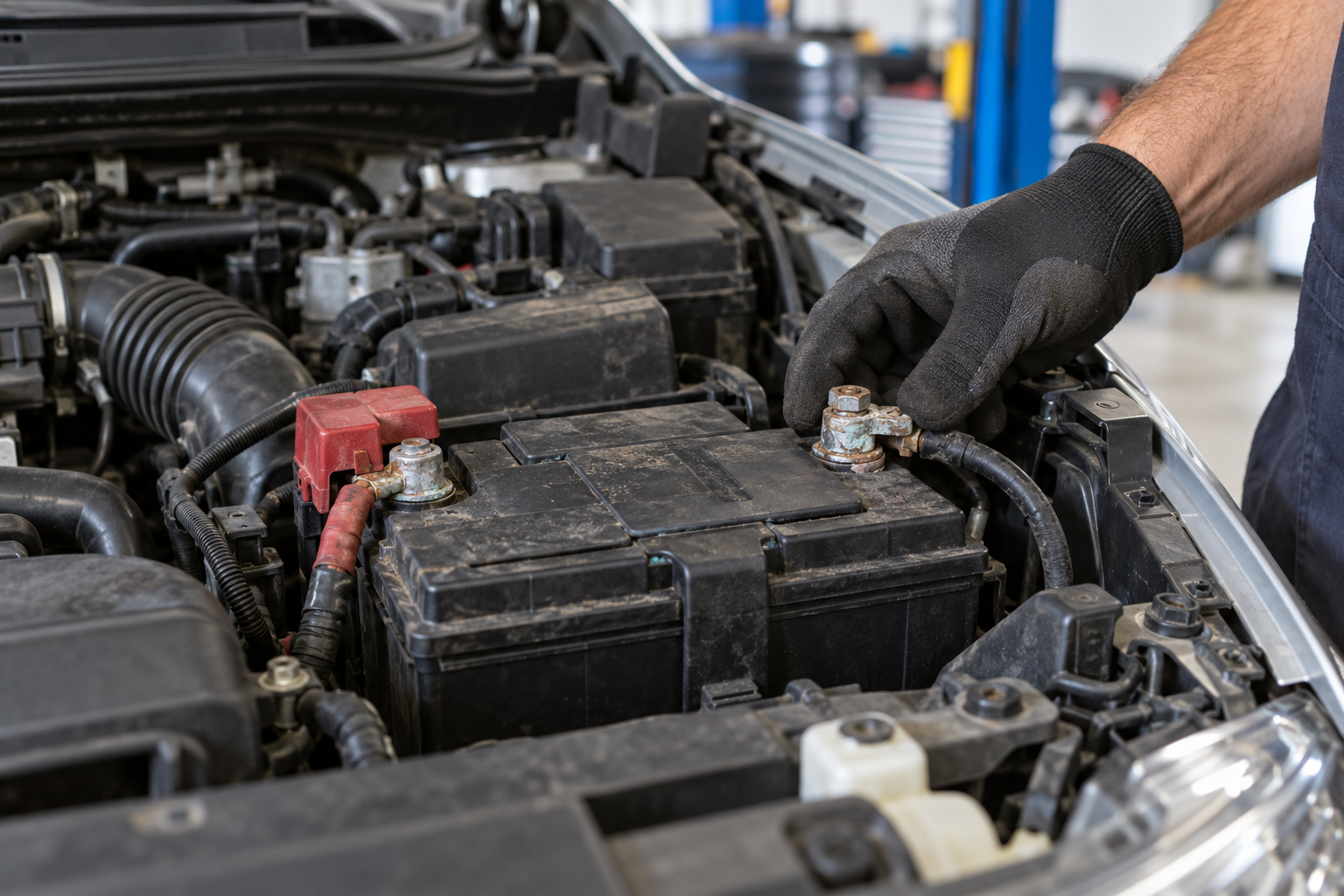
“Tested fine” depends on which test was done. A battery can read 12.6 volts at rest and still collapse the moment the starter pulls on it. Resting voltage only shows the charge sitting in the battery. A load test is the one that counts. It measures what the battery delivers while it is working hard.
Two cheap faults copy a flat battery almost exactly. The first is loose or corroded terminals. That is the crusty white or green powder on the battery posts, and current cannot get through it. The second is a poor earth strap. That is the thick cable tying the battery, the engine and the body together. If it is dirty or loose, the starter never sees full current, however healthy the battery is.
One more clue is worth having. Say the car starts on a jump every single time. Something is draining the battery, or failing to recharge it. That points back at the battery and the charging side, not forward at the starter. If nobody has put a real load on it yet, a battery test is the place to start.

The noise a car makes when it will not start is the most useful information you have. It narrows six possible faults to one or two before anyone opens the bonnet.
Two words come up below. The solenoid is the heavy-duty switch between the battery and the starter motor. It also shoves the starter gear into the flywheel. The immobiliser is the security system that stops the engine running unless the car recognises your key.
| What happens when you turn the key | What it usually means | Where the fault usually sits |
|---|---|---|
| Nothing at all, no lights, no click | Power is not reaching the system | Battery terminals, the earth strap, a main fuse or fusible link, or the ignition switch |
| One solid click, then nothing | The solenoid is pulling in, but the motor is not turning | The starter motor itself, or a heavy voltage drop in the cable feeding it |
| Rapid clicking | There is not enough current to hold the solenoid in | Back at the battery and its connections, not forward at the starter |
| It cranks normally but will not fire | The electrical starting side is doing its job | Fuel, spark, or a sensor |
| It fires and dies straight away | Something is cutting fuel or ignition just after it starts | The immobiliser, or fuel delivery |
| Dead every morning, but starts on a jump every time | The battery is going flat while the car sits, or it is not being recharged | The charging system, or something drawing current overnight |
On the first cold Otway mornings of the year, the fault that turns up most is not a part at all. It is a connection that was already marginal through summer. Cold thickens the oil, so the starter has to pull harder. A joint that was just good enough stops being good enough.
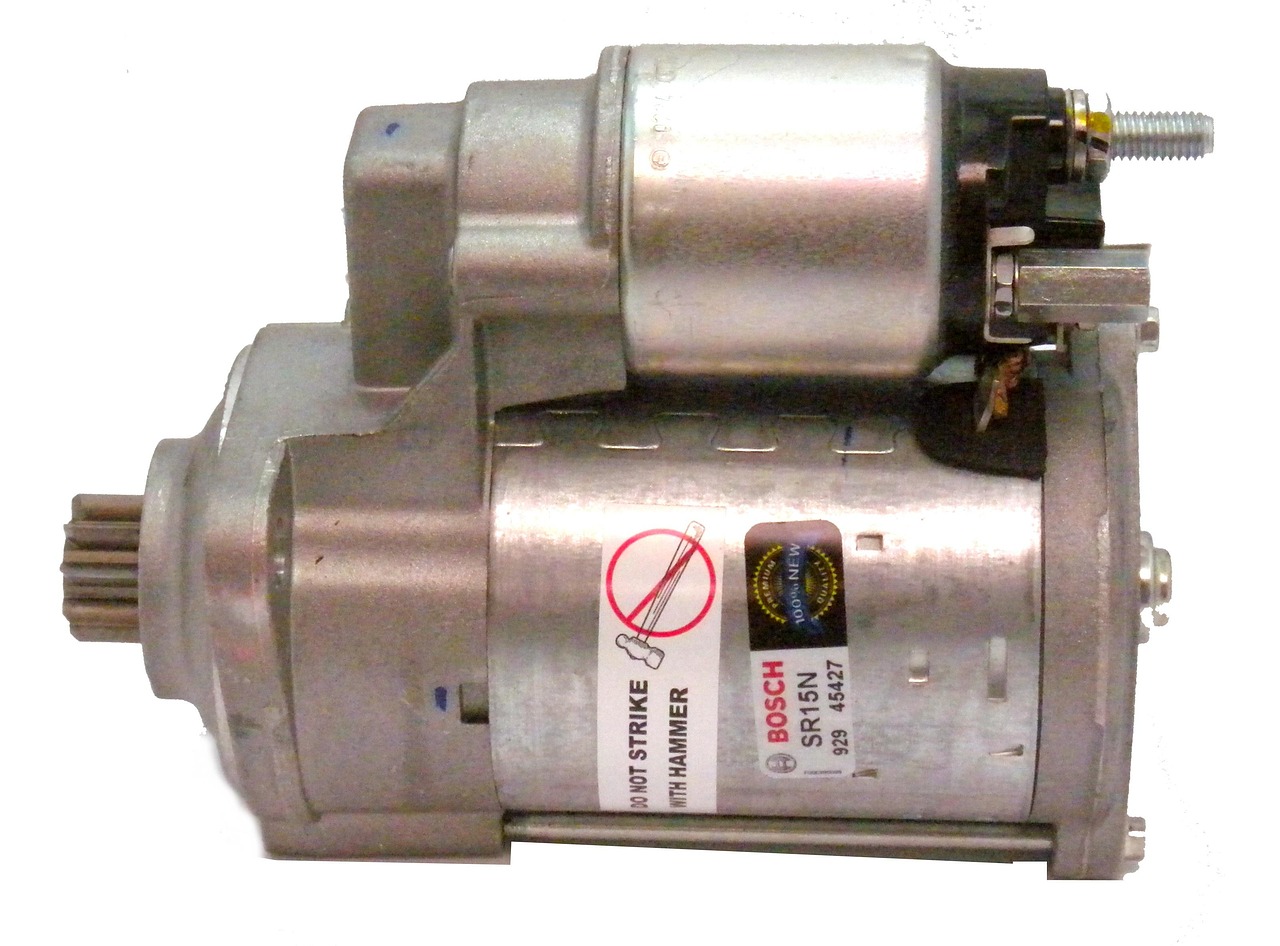
The starter motor is a small electric motor. It spins the engine fast enough for it to run on its own. It works for a second or two at a time. It also draws more current than anything else in the car.
Starters wear out slowly and usually give warning. The brushes are the carbon blocks that carry current into the spinning part. They wear thin, so the motor turns slower than it used to. The solenoid contacts burn and pit, so some attempts connect and some do not.
Heat is what exposes a tired starter first. As it warms up, the metal inside expands and its resistance rises. Less current gets through than the motor needs. So a worn starter can turn the engine happily on a cold morning. An hour later, hot, it refuses. Mention it if the car starts first go in the driveway and then strands you in a car park.
If tapping the starter has ever got the car going, that is worth knowing too. The knock jars worn brushes or pitted contacts back together for one more start. It is not a repair. It is a fair sign the starter is near the end of its life.

If the engine turns over at a normal speed, the battery, the starter and the wiring are all fine. The engine is missing one of three things instead. Fuel, spark, or the signal that tells it when to deliver them.
The position sensor is worth naming because a scan tool finds it quickly. The engine computer records that the signal went missing. The fault is on the screen before anyone takes a part off the car.
The key one has a free test, worth doing before you ring anybody.
Worth knowing. If the car will not start on your usual key, try the spare. If it starts on the spare, the fault is in the first key, not the engine. A damaged chip, a flat key battery or lost programming will all do it. If the spare behaves the same way, the key is not the problem. The fault sits on the car’s side.

An intermittent no-start is not dangerous to drive. It is a reliability problem rather than a safety one. A car does not become unsafe on the road because it was slow to start in the driveway. What it will do is strand you, usually on the least convenient morning.
Where you drive changes how much that matters. Being stuck outside your own house means a short wait. Being stuck out towards Lorne or Apollo Bay is a longer and more expensive problem. So is a back road between Colac and the coast. If the car has failed to start twice, book it in. Do not wait for the third time.
A car that needs a jump every morning is telling you something specific. It is not that it needs a bigger battery. Jumping it each day treats the symptom and lets the real fault carry on.
The one thing to stop doing is cranking. If the engine turns over but will not fire, stop after two or three tries. Repeated attempts wash raw fuel down the cylinder walls. That strips away the film of oil that belongs there, and it can score the bore. It will also flatten the battery you just proved was healthy.
A car that still starts, even reluctantly, can be driven in. A car that will not start at all needs to go on a tow truck or a trailer. So does one that fires and dies every time. Cranking it flat in the driveway first only adds a battery charge to the job.
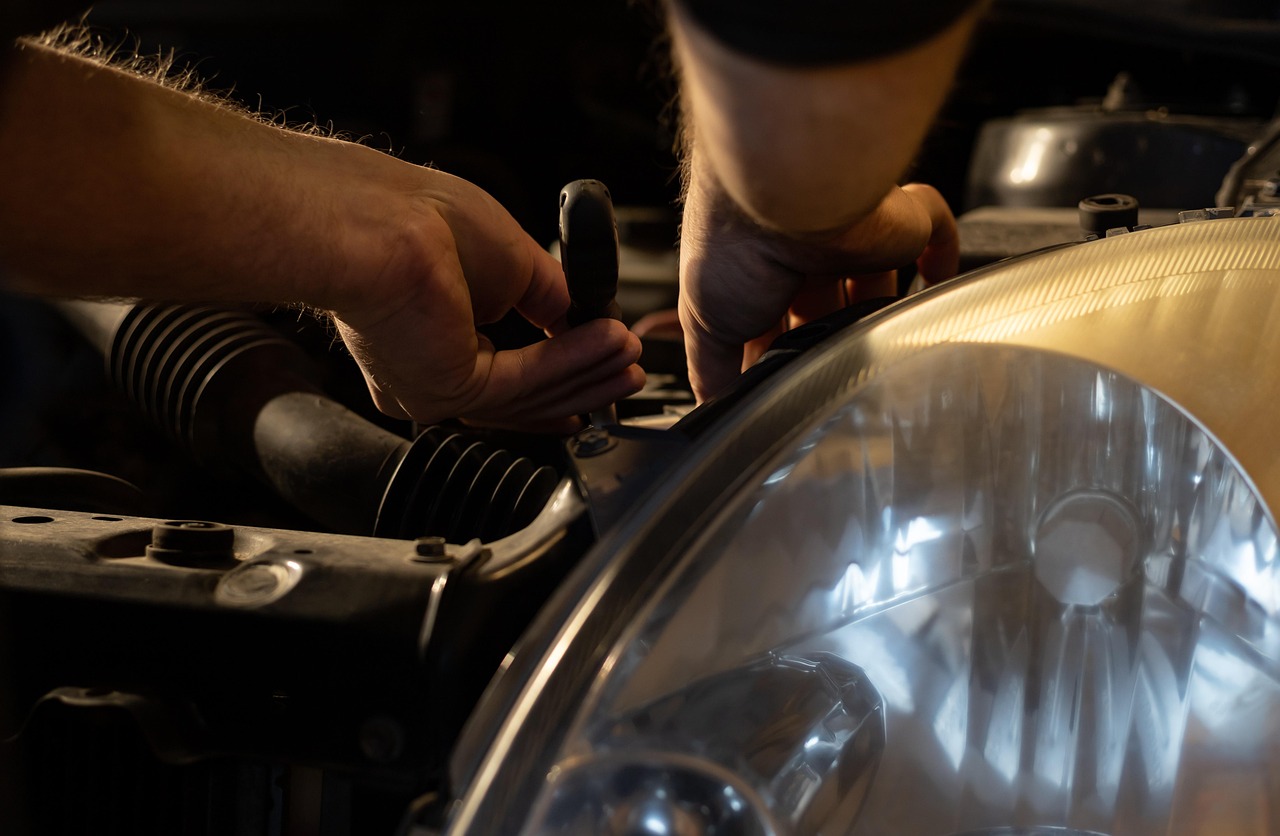
A no-start with a good battery has at least half a dozen believable causes. Several of them feel the same from the driver’s seat. A starter motor, a fuel pump and a crank sensor are three different parts at three different prices. Fitting the wrong one first rules almost nothing out.
A diagnostic check works through three questions in order. How much current is reaching the starter. Whether the engine computer is seeing the signals it needs while the engine turns. And whether the car is willing to run at all, or the security system is holding it back. What the check covers in full is set out on the auto electrical and diagnostics page.
What drives the cost is how far down that list the fault sits. A dirty connection or a dead starter shows up early. A fault that only appears once the car is hot is a bigger job. So is a drain that only shows itself overnight. Both have to be caught in the act. That is worth knowing before you ring around comparing quotes. A cheaper hourly rate from an auto electrician who has not found the fault is not a cheaper repair.
The cheapest repair on a no-start is the one nobody has to do twice.
Book online and say exactly what the car does when you turn the key. Whether it clicks once, clicks fast, cranks without firing, or does nothing at all. That one sentence is the most useful thing you can bring to an auto electrical booking in Colac. It takes the first stage of the diagnosis off the clock.
Intermittent faults usually trace back to something marginal rather than something broken. A connection, a tired starter, or a key the car reads on most attempts but not all of them. Temperature and how long the car has been sitting are what decide which way it goes on any given morning.
Yes, if “good” came from a voltage reading rather than a load test. A battery can hold enough charge to look healthy and still fail to deliver the current a starter needs. The other version of this is a battery that is genuinely fine but cannot push its current through a dirty terminal or a loose earth.
There is no single figure, because a diagnosis stops as soon as the fault is found. A fault that is there on every attempt is found quickly. One that only appears when the car is hot, or only after it has sat overnight, costs more, because it has to be reproduced before it can be measured.
The clue is when the car lets you down. A starter fault shows up the moment you turn the key, and the engine either does not turn or turns too slowly. A charging fault shows up later, as a car that runs fine once it is going but is flat again the next morning.



















Website By CJ Digital


